
How to get brand deals as a creator (the 2026 playbook)
300+ brand deals taught me one thing: brands don't buy followers, they buy a position. The full playbook, from first pitch to signed rate card.
By Nathan Nuyts
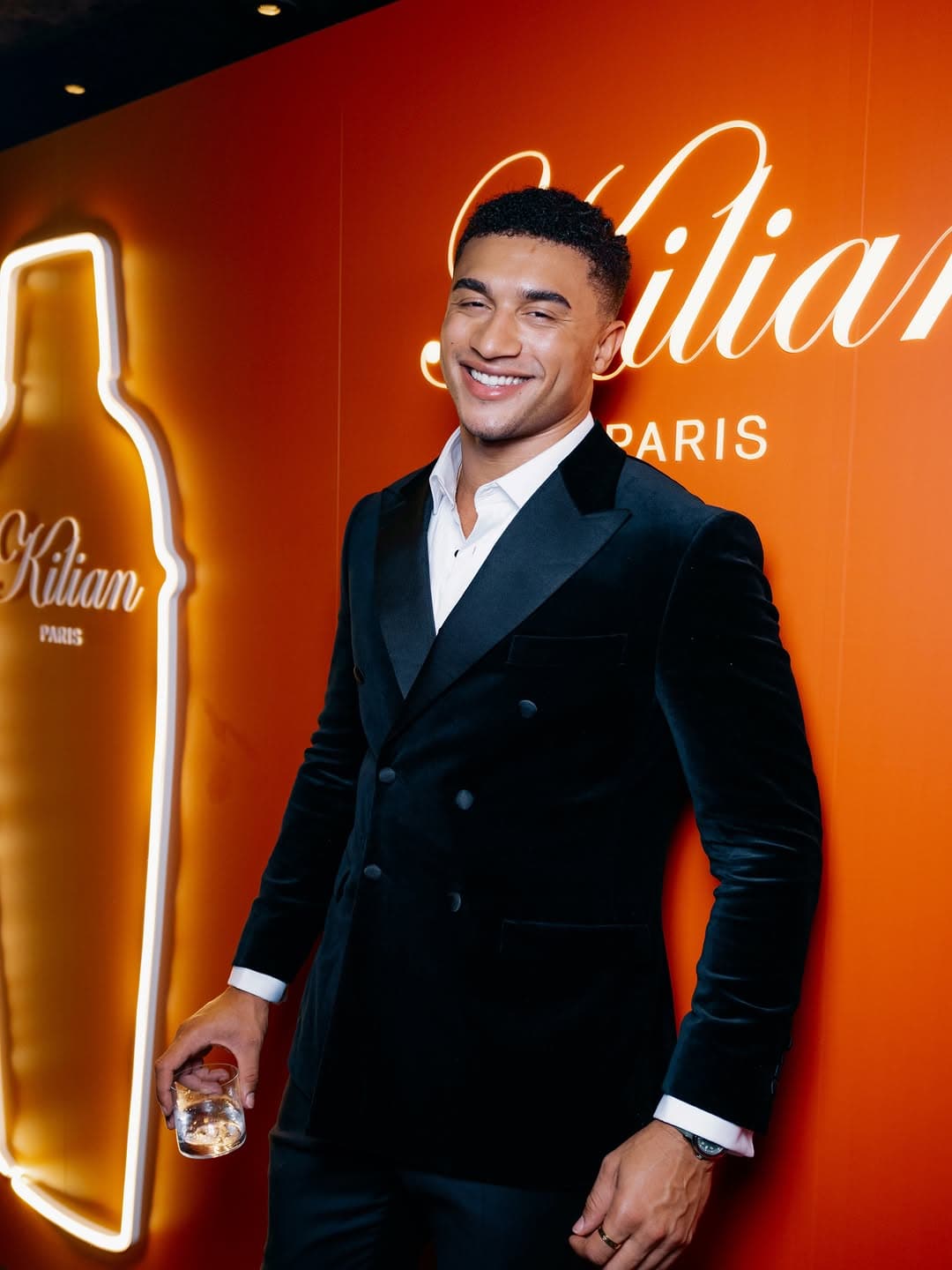
Brands don't buy followers. They buy a position. I learned that the hard way: my first pitch was a follower count and a prayer. It took months to land the first deal. Once I flipped the pitch, deals started coming to me. Sephora, Hugo Boss, Calvin Klein, Skims, Sony. This is the playbook I wish I had on day one.
Why follower count is the worst thing to lead with
Let's kill the biggest myth first. Follower count is a vanity metric in a pitch context, and brands know it. What a brand actually buys is an outcome: awareness in a specific audience, content that fits their art direction, or conversion from a call to action. A creator with 30,000 engaged followers in a tight niche regularly outperforms a generalist with 500,000.
I've been on both sides of this. Early on, I led every conversation with numbers. The reply rate was brutal. The moment I started leading with a concept, a slot and a proof point, the same brands that ignored me started replying within days. Nothing about my audience had changed. What changed was what I was selling.
Think about it from the brand manager's chair. They review dozens of creators per campaign. Every one of them sends a screenshot of their follower count. The pitches that get read are the ones that read like a campaign idea, not a stat sheet. You are not applying for a job. You are proposing a piece of their marketing plan.
How to get brand deals starts with positioning, not size
A brand is not shopping for reach. They are shopping for a slot in their campaign: the athlete type, the clean lifestyle type, the edgy fashion type. Your job is to make one of those slots impossible to fill without you. Pick one lane, own a look, own a story. A 50K account with a sharp position beats a 500K account that posts everything.
What worked for me: former pro footballer turned creator, clean editorial look, sportswear and fashion. Every asset I put out reinforced that exact combination. When a brand thought 'athletic fashion creator', my name showed up. That did not happen by accident. It happened because I stopped posting things that diluted the position.
Positioning sounds abstract, so here is the practical test. Write down the one sentence a marketing manager would use to describe you to a colleague. If that sentence contains the words 'and also', you have two positions. Cut one. If the sentence could describe a hundred other creators, it is not a position, it is a category. Get specific until it hurts a little.
My sentence was: the ex-pro footballer who makes fashion content that brands can actually run. Yours might be the fitness creator who documents the boring middle, or the food creator who only cooks on a budget in student kitchens. The narrower it feels to you, the more valuable it usually is to the brand, because they cannot get it anywhere else.
Build the proof before the pitch
Brands check three things before they reply:
- Consistency: are you posting at a professional rhythm, or in bursts that stop the moment life gets busy?
- Quality: does your grid look like something their art director would approve, or does it need imagination to see the campaign?
- Commercial proof: have brands already worked with you? Even small ones count. A paid collab of 200 euros is proof.
Proof compounds in a way followers don't. I kept a running document of every collaboration, what the deliverable was, and one line on the result. When a brand asked 'have you done anything like this', I never answered from memory. I answered from the document. It changed the tone of every negotiation, because I was describing a track record, not making a promise.
If you have zero brand work yet, manufacture proof. Make the content you would have made for the brand you want, and tag them. This is the single most underused move in the creator economy. Brands watch their tags. A creator who already made a great piece of content in their style is halfway to a yes. It shows initiative, taste and understanding of their world without asking for anything.
The pitch that gets replies
Short. Specific. Easy to say yes to. Most pitches fail before the second line because they are about the creator instead of about the brand's campaign. The structure that consistently works:
- One line on who you are and the exact slot you fit. Name the campaign type, not your follower count.
- One line on why them: a campaign of theirs you actually liked, and why it worked.
- One concrete idea: not 'open to collab?', but a concept with a deliverable and a timing.
- One proof point: an equivalent piece of content or a past brand, with a result if you have one.
- A link, not attachments: your media kit or a best-work page. Make clicking easier than scrolling.
Five lines. Pitches die from length. If a brand manager needs to scroll to understand what you are offering, they are already gone. I once landed a sportswear deal with a pitch shorter than this paragraph, because the concept was tailored to a campaign they had just launched. Timing plus specificity beats polish.
One more thing about the ask. Never end with a question mark floating in space. End with a next step so small it is almost rude to decline: 'Want me to send a one-page concept by Friday?' That gives the manager a yes that costs them ten seconds, and a yes in email becomes a call, and a call becomes a deal.
Know your rate card before they ask
The question 'what are your rates' is where most creators freeze, and freezing costs money in both directions. Some panic and name a number 60 percent too low. Others throw out a figure so disconnected from their proof level that the conversation dies. Decide before the call, always:
- A floor number you will not go under, no matter who is asking. Write it down and keep it visible during the call.
- A package, not a single post. One reel plus two stories plus a photo set is a campaign. A single post is a favor with extra steps.
- Usage rights priced separately. Organic posting and paid ads usage are different products. Brands expect this now, and it is where the margin lives.
- Exclusivity priced too. If they want you silent for competitors for three months, that has a price.
Brands respect a creator who sounds like a business. The moment you talk in packages and usage terms, you stop being a line item in an influencer budget and start being a media partner. I have watched creators double their income in a quarter by doing nothing except restructuring how they quote.
Charge like a partner, not like a poster. A package with usage rights always outperforms a lonely single post.
Where most pitches die
After hundreds of conversations on both sides of the table, the failure patterns repeat constantly. Avoid these and you are already ahead of most of the inbox:
- Generic greetings. If the brand name could be swapped out and the pitch still reads the same, it is dead on arrival. Managers pattern-match this instantly.
- Leading with follower count instead of a concept. Numbers support a pitch, they are not a pitch.
- No call to action. The brand has to guess the next step, and guessing is work. Work gets deferred, and deferred is never.
- Underpricing so hard you look cheap rather than accessible. Price signals how you see your own work. If you don't value it, why would they?
- Attaching a 9MB PDF portfolio to a cold email. It lands in spam or gets skimmed on a phone and forgotten.
The follow-up most creators never send
Here is a small detail with outsized returns: the post-decision follow-up. When a pitch gets a no, or worse, no reply, almost everyone moves on silently. Instead, send one short message two weeks later with a new angle: a fresh concept, a new proof point, or a relevant campaign they just launched. Keep it three lines. A meaningful slice of my early deals came from the second message, not the first. Not because the pitch improved, but because the timing did.
And when you do land the deal, the follow-up continues after delivery. Send the content early. Send a short recap with what worked. Ask for a testimonial line. Log everything in your proof document. This is unglamorous work, and it is exactly why the compounding kicks in for so few creators.
The compounding part nobody talks about
Every deal makes the next one easier. Ask for a one-line testimonial, log the campaign in your portfolio, and reference it in the next pitch: 'recently delivered X for Y'. Momentum is the actual product. Treat your creator business like a portfolio of proof, and the inbound starts.
There is a specific moment when this flips. Somewhere between the fifth and the tenth deal, brands stop being possibilities and start being a pipeline. You begin recognizing the seasonal cycles: fashion brands lock Q4 campaigns in summer, fitness brands spend in January, and Q4 budgets get decided in September. When you know the cycles, you pitch before the budget is allocated instead of after it is spent. That single insight moved my close rate more than any pitch template ever did.
From one deal to a category reputation
There is a stage beyond individual deals that almost nobody plans for, and it is where the real money sits: becoming known inside a category. When three different sportswear brands have run your work, the fourth sportswear brand does not evaluate you as an unknown creator anymore. You arrive pre-validated. Category reputation is a moat that follower count cannot buy, because it is built from references that only time can produce.
How do you accelerate it? Three moves. First, concentrate early deals in one category rather than accepting everything: six fashion deals make you 'the fashion creator', six deals across six categories make you nobody. Second, be publicly proud of good work: post the campaign, tag the brand, write one line about the thinking behind it. Brands notice how creators present past collaborations. Third, stay in touch with the managers who paid you, even without a pitch. A short message twice a year keeps you in their memory for the next budget cycle.
Building the machine behind the deals
At some point, pitching manually stops scaling, and you need a light system rather than memory. Mine has four parts. A simple tracker: every pitch, date, brand, status, outcome. A reusable pitch skeleton I adapt in ten minutes per brand. A media kit page I can send instead of attachments. And a monthly block where I review what got replies and adjust. None of this is software. A spreadsheet and two hours a month run a six-figure deal pipeline.
The point of the machine is not efficiency for its own sake. It is that a system makes the difference between a creator who had good months and a creator who has a business. Good months are luck repeating by accident. A business is luck engineered on purpose.
What to do this week
- Write your one-sentence position and delete or archive every post that contradicts it.
- Build the proof document: every collaboration, deliverable and result you have, however small.
- Pitch three brands with the five-line structure, each ending with a micro-yes next step.
- Set your floor number, your package, and your usage rights price before anyone asks.
Want this applied to your brand?
Two minutes. The quiz routes you to the right next step.
Start the quizThat's the playbook. Positioning, proof, short pitch, priced like a business, followed up like a professional. It's the same system I walk through 1-on-1, and it works whether you're at 5K or 500K. The creators who win are not the ones with the best content. They are the ones who treat every deal as the first sentence of a longer relationship, with the brand and with the audience watching it happen.
Keep reading
Your brand, unignorable.
The same system behind 300+ brand deals and a 1.7M+ audience, applied to yours.
Start the quiz